
Introduction
Advances in Next-Generation Sequencing (NGS) have transformed bird genome research, allowing scientists to decode avian DNA faster, cheaper, and with unprecedented accuracy. These technologies are reshaping our understanding of bird evolution, health, and genetic diversity. Read more
What Is Next-Generation Sequencing (NGS)?
Next-Generation Sequencing is a high-throughput DNA sequencing technology that enables millions of DNA fragments to be sequenced simultaneously. Unlike traditional Sanger sequencing, NGS provides:
Higher speed
Greater sensitivity
Lower cost per genome
NGS is now the backbone of modern avian genomics.
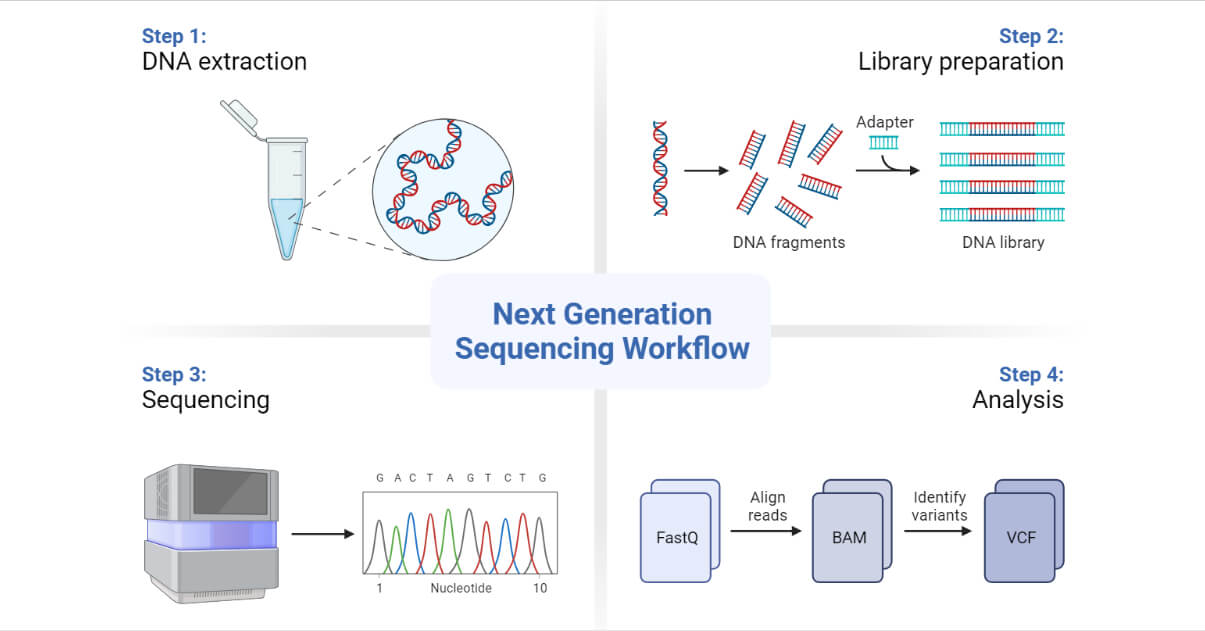
Key NGS Techniques Used in Bird Genome Studies
Whole-Genome Sequencing (WGS)
WGS provides a complete view of the bird genome, enabling the identification of:
Structural variants
Evolutionary conserved regions
Species-specific genes
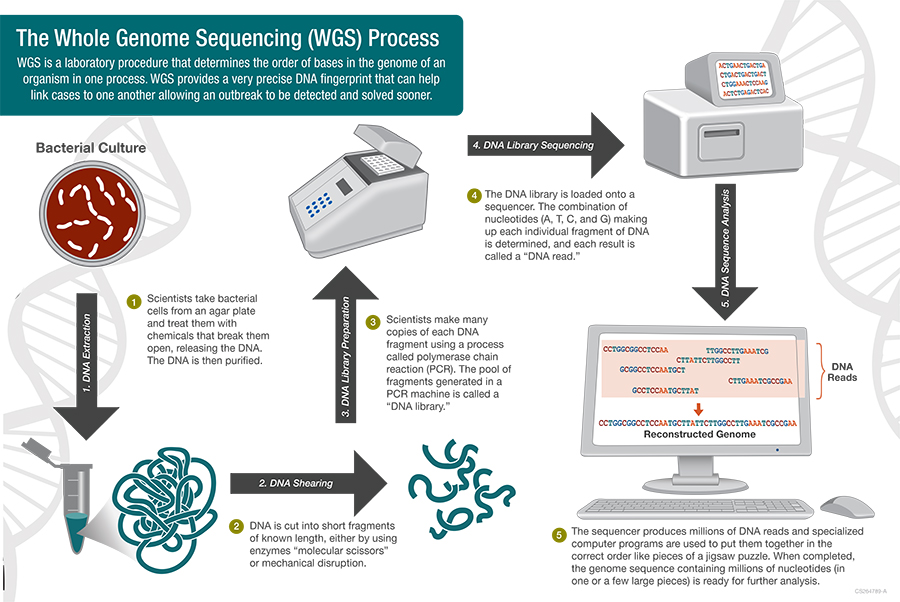
RNA Sequencing (RNA-Seq)
RNA-Seq helps analyze gene expression, revealing how genes are regulated during:
Flight
Migration
Reproduction
Immune responses
Targeted Sequencing
This approach focuses on specific genes linked to:
Disease resistance
Metabolism
Environmental adaptation
Applications of NGS in Avian Research
Evolutionary biology: Tracing bird diversification
Conservation genetics: Monitoring endangered populations
Poultry genomics: Improving breeding and productivity
Comparative genomics: Studying similarities between birds and mammals

Why NGS Is Essential for the Future of Bird Genomics
NGS technologies allow researchers to generate large genomic datasets that support data-driven discoveries. As sequencing costs decrease, more bird species will be sequenced, expanding global avian genome databases.